 The Slow Interface
Ambient Interfaces: Technology That Works Without Demanding Attention
Understanding Ambient Interfaces
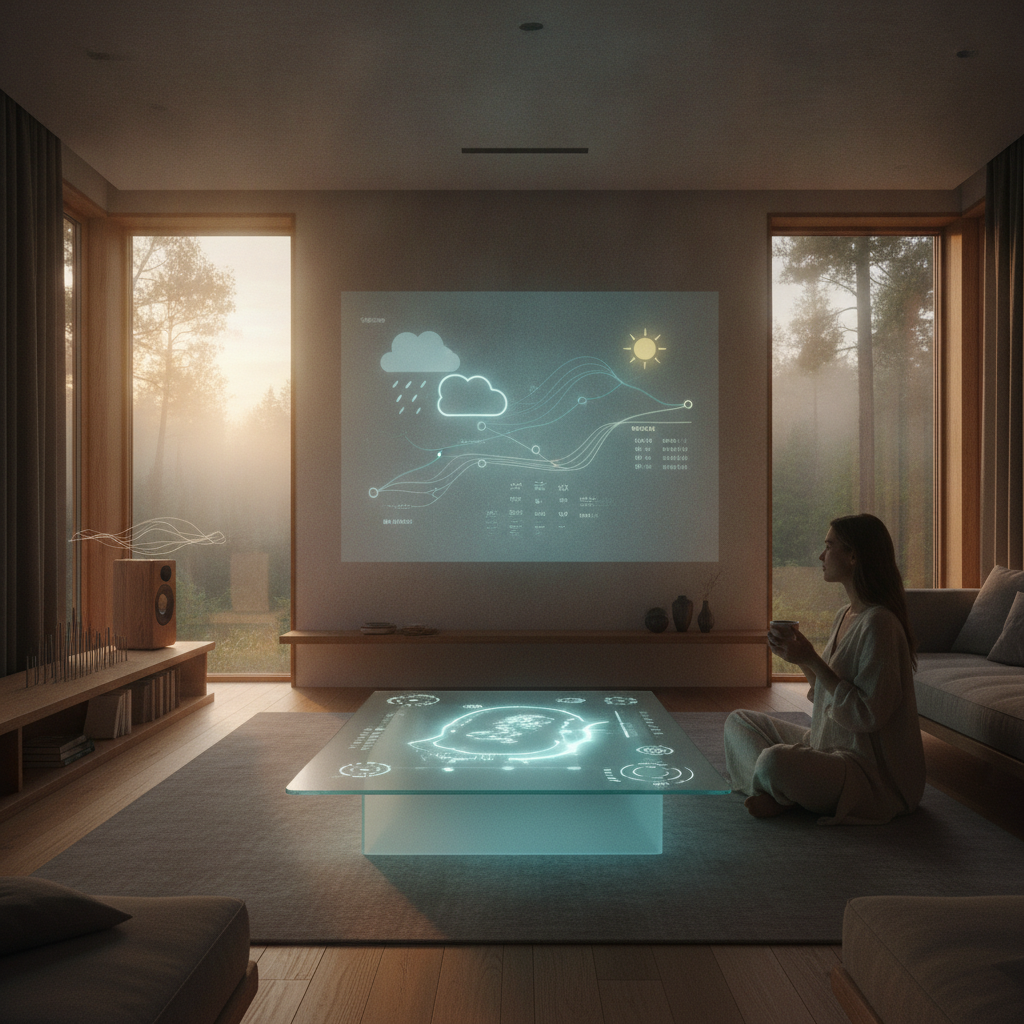
In an era where technology is becoming increasingly integrated into our daily lives, the concept of ambient interfaces is emerging as a significant trend. These interfaces operate in the background, seamlessly interacting with users without the need for direct engagement or attention. The goal is to create a more intuitive interaction with technology that aligns with the natural flow of human activity.
The Essence of Ambient Technology
Ambient interfaces capitalize on the idea of subtlety and unobtrusiveness. Unlike traditional user interfaces that require explicit commands, these technologies provide information and feedback in a way that is integrated into the environment. This can take various forms, from smart home devices that adjust settings based on user behavior to wearable technologies that monitor health metrics without requiring constant user interaction.
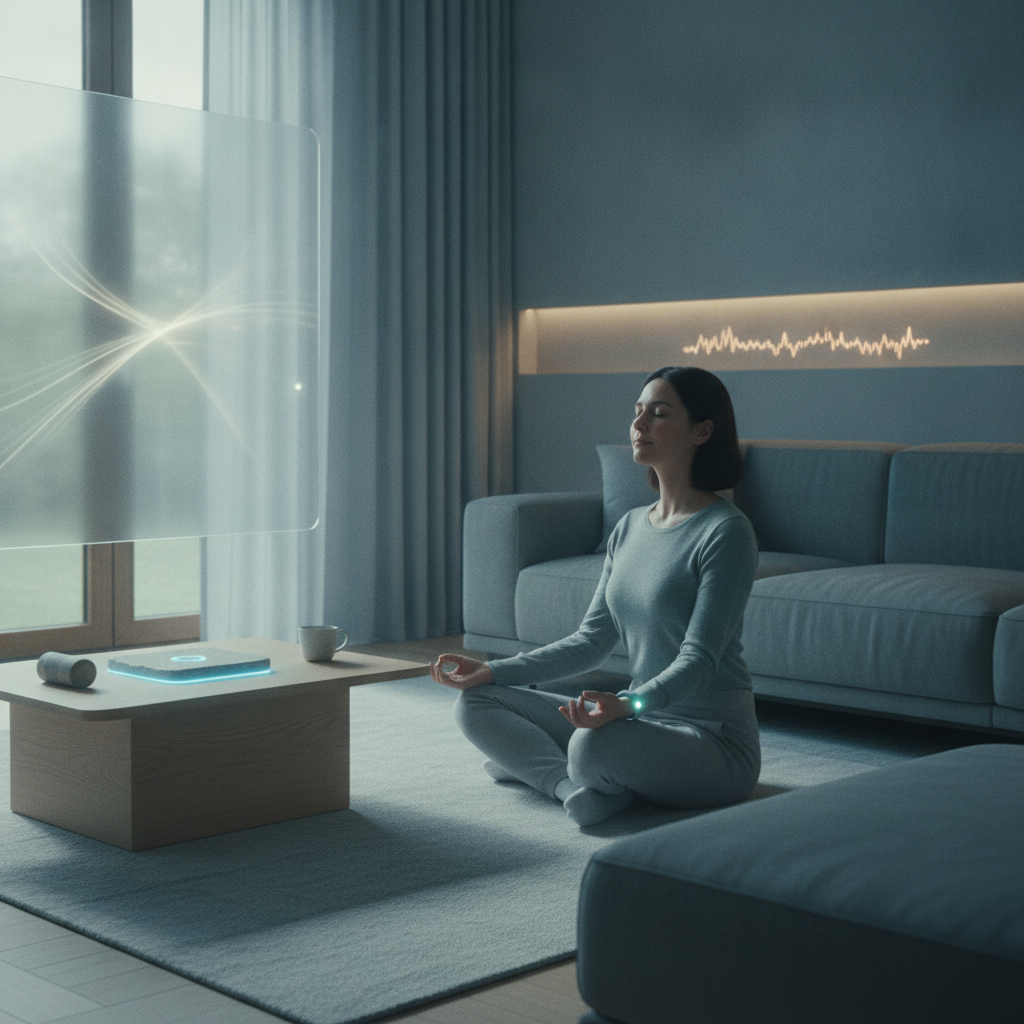
“The most effective technology is the one that disappears into the background of our lives, enhancing our experience without demanding our attention.”
Benefits of Ambient Interfaces
One of the primary advantages of ambient interfaces is their ability to reduce cognitive load. By providing information passively, users can stay focused on the task at hand while still being informed of relevant data. For instance, a smart mirror in a bathroom could display weather updates or reminders while users go about their morning routines, thereby enhancing convenience without requiring active engagement.
Real-World Applications
From healthcare to smart home environments, ambient interfaces are making their mark across various sectors. In healthcare, for instance, devices that track vital signs and send alerts to medical professionals can operate quietly in the background, allowing patients to maintain their daily routines while ensuring their safety. Similarly, in smart homes, devices can learn user preferences and adjust settings automatically, creating a personalized living environment without interruption.
The Future of Ambient Technology
As technology continues to evolve, the potential for ambient interfaces will likely expand. Advancements in artificial intelligence and machine learning will enhance the ability of these systems to understand user behavior and preferences, making them even more responsive and intuitive. The future may see an increased emphasis on creating environments that respond to our needs in real-time, further blending the line between technology and daily life.
Ultimately, ambient interfaces represent a shift towards a more harmonious relationship between humans and technology, one that prioritizes ease of use and minimizes disruption, allowing individuals to focus on what truly matters in their lives.