 The Slow Interface
Calm Technology: Designing Interfaces That Respect Human Attention
Understanding Calm Technology
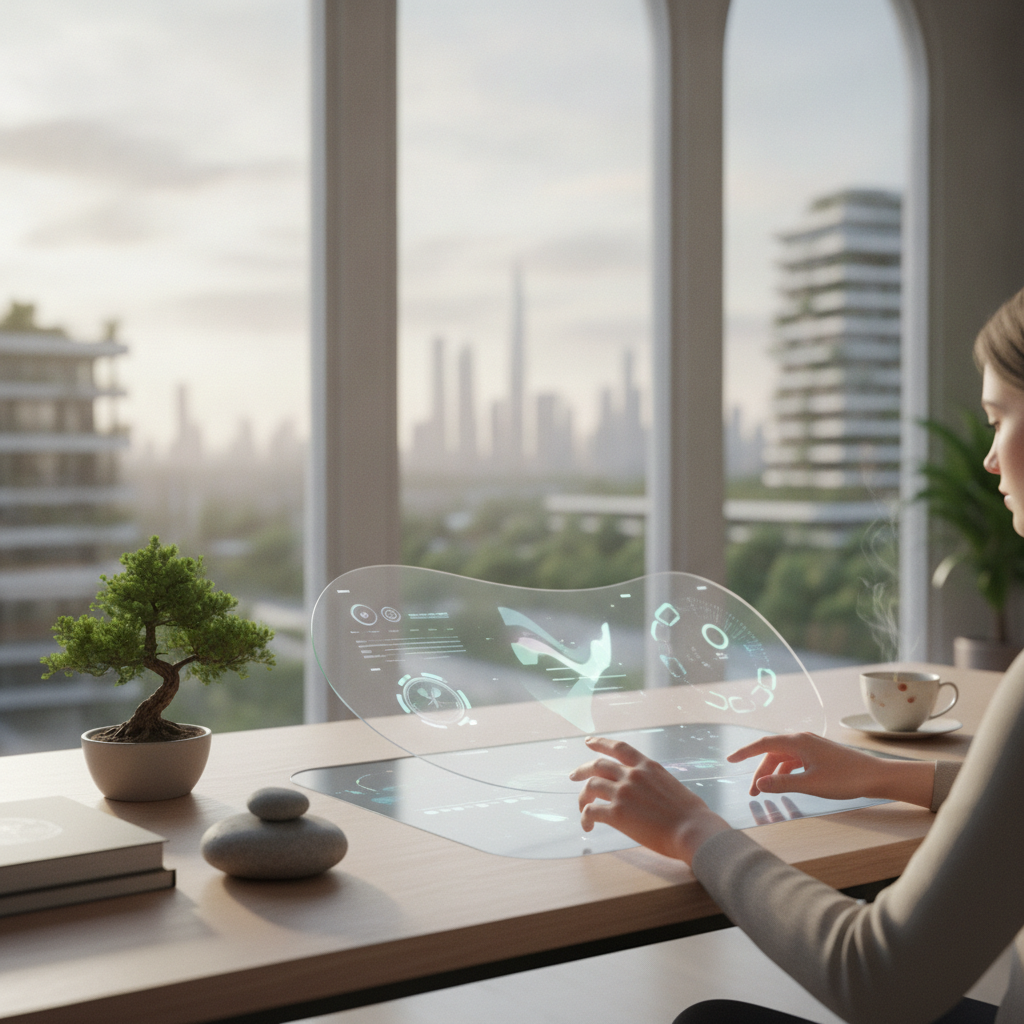
In our fast-paced digital world, technology often demands our constant attention and engagement. However, a new paradigm called calm technology seeks to change this narrative. Calm technology emphasizes the design of interfaces that respect human attention, enabling us to interact with devices in a more mindful and unobtrusive way.
The Principles of Calm Technology
At its core, calm technology revolves around several key principles:
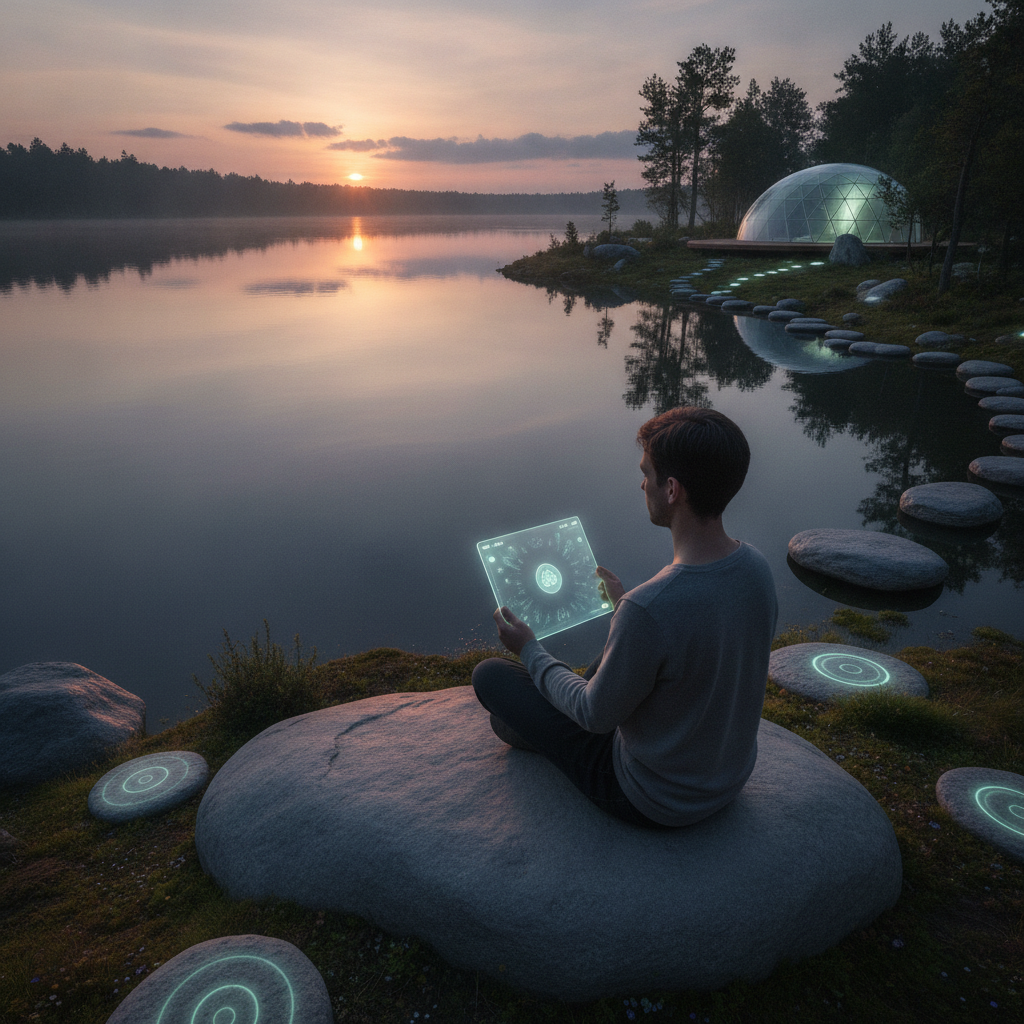
- Ambient Awareness: Technology should provide information discreetly, allowing users to remain focused on their primary tasks.
- Contextual Relevance: Interfaces should adapt to the user's environment, offering information that is pertinent and useful without overwhelming them.
- Respect for Attention: Calm technology acknowledges the limited capacity of human attention, designing experiences that do not interrupt but rather enhance our daily lives.
Designing for Mindful Interaction
To create calm technology, designers must prioritize simplicity and intuitive navigation. This involves minimizing distractions and providing clear pathways for users. For instance, employing subtle notifications that blend seamlessly into the background can help maintain focus while still keeping users informed.
"Technology should fade into the background, becoming a seamless part of our environment rather than a constant source of interruption."
The Impact of Calm Technology on Daily Life
When implemented effectively, calm technology can lead to a more balanced relationship with our devices. By reducing cognitive load and enabling smoother interactions, users can enjoy a more pleasant experience. This is particularly important as our lives become increasingly intertwined with digital interfaces.
In conclusion, calm technology represents a shift towards a more respectful approach to design. It emphasizes the need for interfaces that not only communicate information but do so in a manner that aligns with our natural rhythms and attention spans. As this field continues to evolve, the potential for creating harmonious interactions with technology is limitless.