 The Slow Interface
The Counter-Culture of Design in the Attention Economy
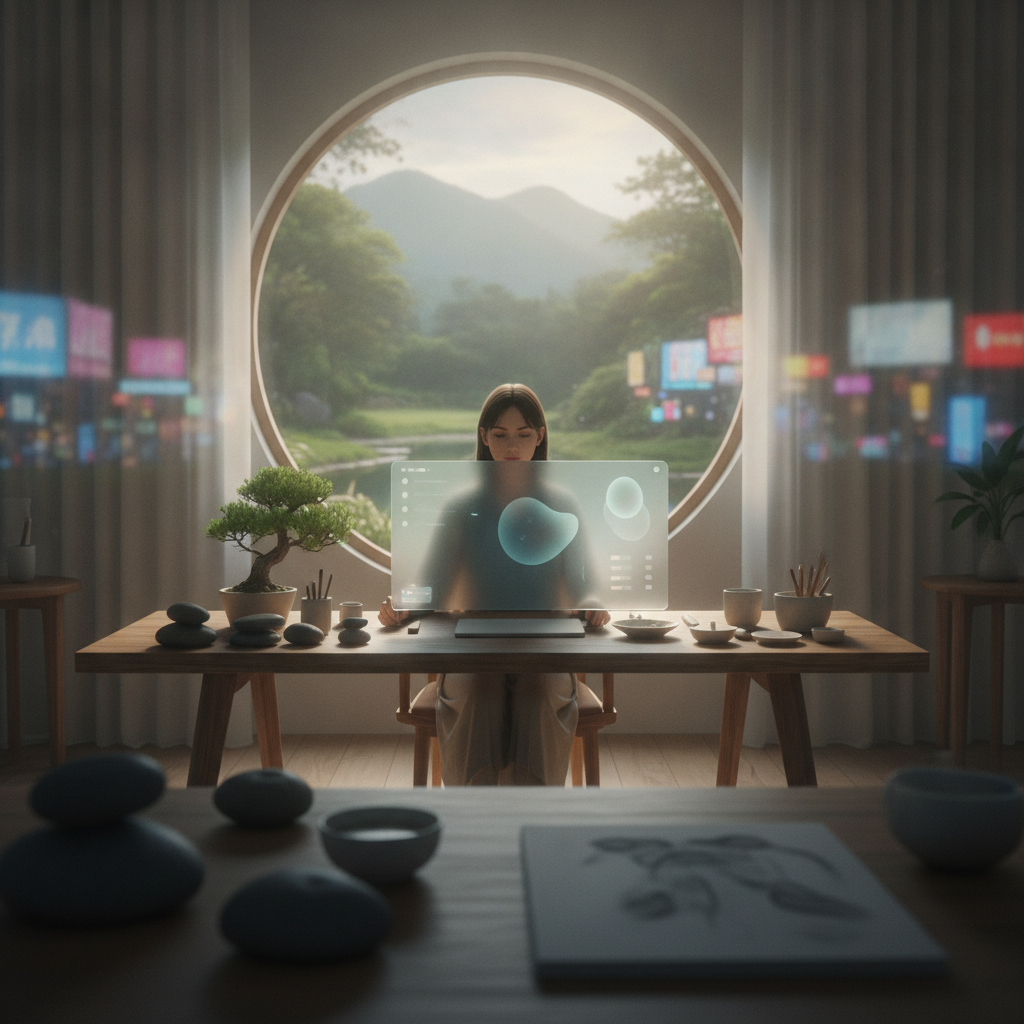
The Battle Against the Attention Economy
The attention economy has become a dominant force in our digital lives, where every click, scroll, and interaction is meticulously recorded and analyzed. In this landscape, designers face the ethical dilemma of contributing to an environment that often prioritizes engagement over user well-being. However, a growing number of designers are choosing to resist the allure of the attention economy, advocating for more meaningful interactions and a healthier digital experience.
Understanding the Attention EconomyThe attention economy is predicated on the idea that human attention is a scarce commodity. In a world saturated with information, businesses compete fiercely for the limited time and focus of users. This has led to the creation of platforms and products that are engineered to maximize engagement, often at the cost of user satisfaction and mental health. Designers are central to this process, as they craft experiences that either draw users in or push them away.

Refusing to Participate"Designers have a responsibility to create experiences that respect users' attention and promote their well-being." - Influential Designer
Some designers have begun to push back against the pervasive strategies of the attention economy. They are advocating for design principles that prioritize user autonomy, privacy, and well-being. This counter-culture of design emphasizes transparency, simplicity, and the minimization of distractions. Rather than crafting interfaces that lure users into endless scrolling, these designers aim to create spaces that allow for focused attention and intentional usage.
The Impact of Purpose-Driven DesignBy refusing to engage with the manipulative tactics of the attention economy, these designers are paving the way for a new standard in digital product development. They are fostering an environment where users feel empowered rather than exploited, leading to more sustainable engagement. This shift not only benefits users but also encourages businesses to rethink their strategies, focusing on long-term relationships rather than short-term gains.
"A well-designed product should enhance the user experience without demanding excessive attention." - Ethical Designer
The movement towards a more ethical approach to design is gaining momentum, challenging the norms of an industry that has often prioritized profit over people. As awareness grows, the hope is that more designers will join this resistance, creating a future where digital interactions are not just profitable, but also respectful and enriching.