 The Slow Interface
The Impact of Colour on User Stress Levels
The Psychology of Colour in Design
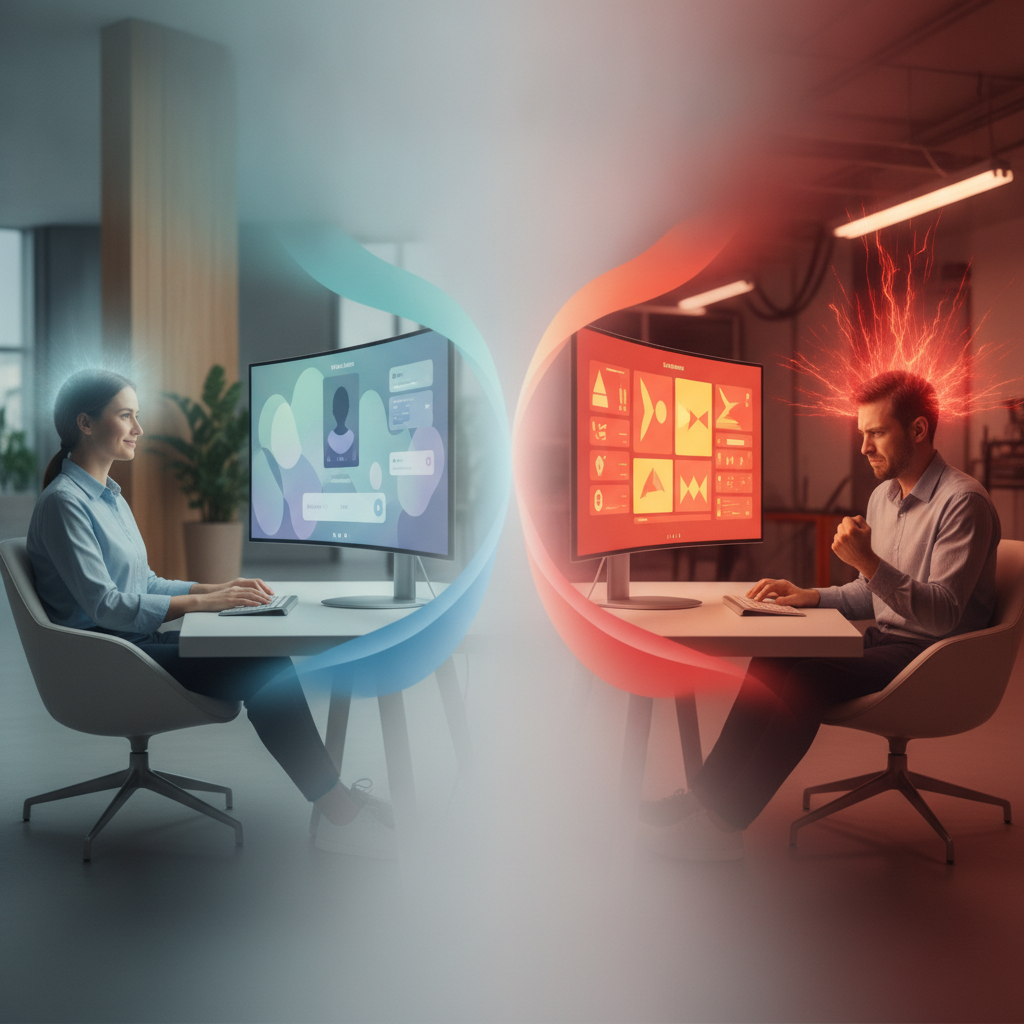
Colour is a powerful tool in design that can significantly affect emotions and stress levels. Different hues evoke distinct feelings and responses, making it essential for designers to consider their palette choices carefully. Research has shown that certain colours can promote calmness and relaxation, while others may heighten anxiety and tension.
Understanding the Effects of Colour
Blue is often associated with tranquility and peace. Studies have indicated that environments featuring shades of blue can lead to lower heart rates and reduced stress levels. This is why many wellness-focused spaces, such as spas and therapy rooms, often incorporate blue tones into their design.
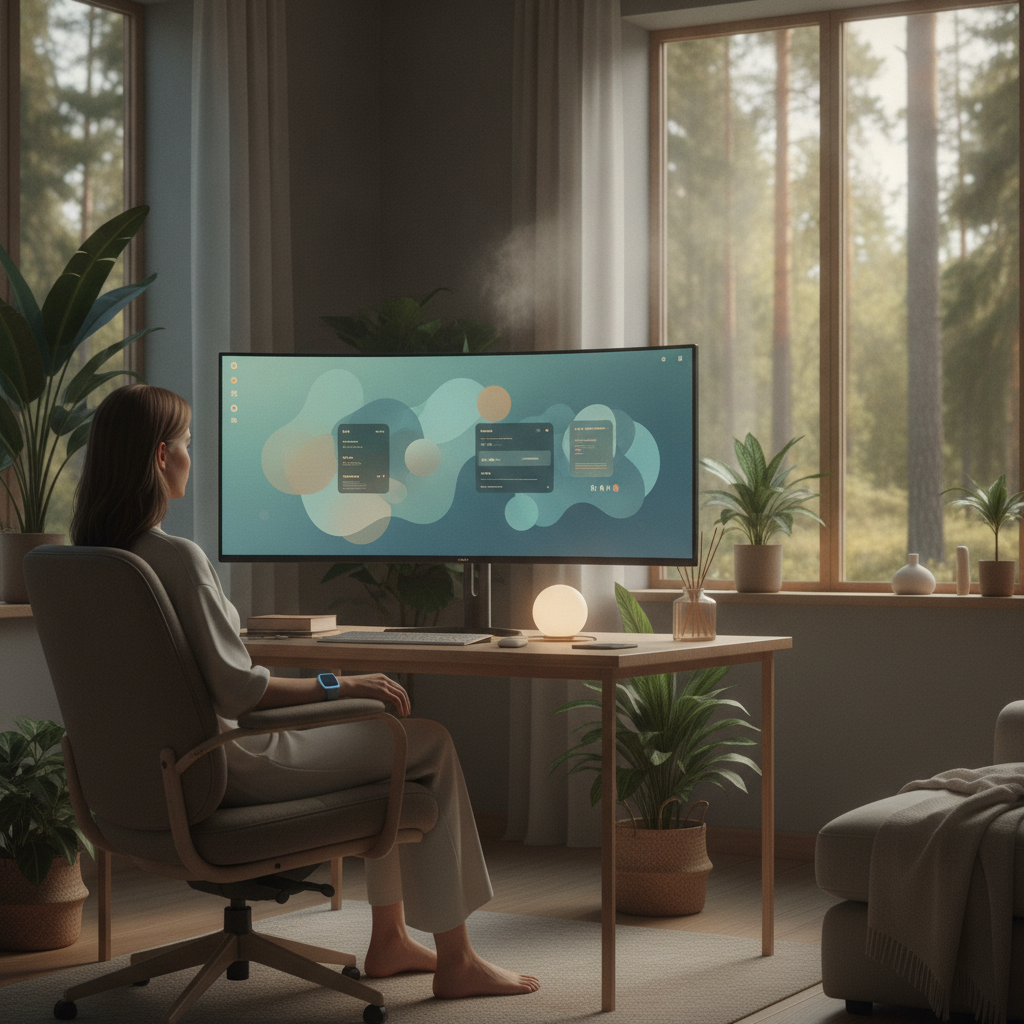
Green, reminiscent of nature, also has calming effects. It is known to alleviate feelings of stress and enhance concentration, making it a popular choice in office settings. By bringing elements of the natural world indoors through green palettes, designers can help create a serene atmosphere conducive to productivity.
“A well-chosen colour palette can transform a space, influencing not just aesthetics but also the emotional and psychological well-being of users.”
Warm Colours and Their Implications
On the other hand, warm colours like red and yellow can be energizing but may also provoke feelings of anxiety if overused. Red can increase heart rates and create a sense of urgency, while yellow, although cheerful, can be overwhelming if too bright. Designers must strike a balance, using these colours sparingly to avoid creating a stressful environment.
Creating Calm Through Thoughtful Choices
When designing spaces meant for relaxation or focus, incorporating softer shades and neutral tones can foster a calming atmosphere. Pastel colours, muted tones, and natural materials can work harmoniously to reduce stress. Additionally, using colour strategically in different areas can guide user experiences; for example, calming hues in waiting areas and stimulating colours in creative spaces.
In conclusion, the choice of colour in design is not merely an aesthetic decision but a fundamental aspect of creating environments that can enhance or diminish user experiences and stress levels. By understanding the psychological effects of colour, designers can create spaces that promote well-being and calm.